
Cannabis Rescheduling in the USA: Progress, or the Beginning of Big Pharma Control?


The recent move to reschedule cannabis in the United States from Schedule I to Schedule III marks one of the most significant policy shifts in modern drug reform. For the first time, the U.S. federal government has officially acknowledged cannabis as having medical value.
But while headlines celebrate progress, a deeper and more complex question is emerging:
Is this genuine reform — or the foundation for corporate monopolization of cannabis?
What Does Cannabis Rescheduling Actually Mean?
Cannabis being moved to Schedule III means:
It is now officially recognized as having accepted medical use
It is subject to regulated pharmaceutical frameworks
It opens the door for FDA-approved cannabis-based medicines
However, this change mainly benefits:
Pharmaceutical companies
Large-scale licensed operators
Clinical research institutions
It does not fully legalize cannabis, and it does little to support small growers or legacy operators.
The Benefits of Cannabis Rescheduling
1. Medical Recognition of Cannabis
Cannabis is no longer grouped with substances considered to have no medical value. This legitimizes its use in:
Pain management
Cancer support
Neurological disorders
2. Expansion of Cannabis Research
Rescheduling reduces barriers for scientific studies into:
Cannabinoids (THC, CBD)
Terpenes
The endocannabinoid system
This could unlock major breakthroughs in modern medicine.
3. Economic Opportunities
Schedule III status may ease:
Tax burdens on legal operators
Banking restrictions
Investment opportunities
This could stimulate growth in the legal cannabis industry.
The Downsides: A System Built for Corporations
Despite the positives, the structure of rescheduling raises serious concerns.
1. Over-Medicalisation of Cannabis
By placing cannabis within a pharmaceutical framework, access becomes:
More regulated
More expensive
Less accessible to everyday users
Cannabis risks being reduced to a prescription-only commodity, rather than a natural plant.
2. Barriers to Entry for Small Growers
Compliance requirements, licensing costs, and clinical standards create a system where:
Small-scale farmers struggle to participate
Traditional growers are excluded
Corporate players dominate
3. The Rise of “Big Weed” and Big Pharma
Rescheduling aligns cannabis with:
Patent-driven models
Proprietary formulations
Corporate-controlled supply chains
This creates the perfect conditions for:👉 Pharmaceutical monopolies on cannabis products👉 Consolidation of the industry into a few powerful players
Is This the Start of Big Pharma’s Cannabis Takeover?
The concern isn’t hypothetical — it’s structural.
When cannabis is regulated like a pharmaceutical product:
Only companies with capital and compliance infrastructure can compete
Natural plant use is sidelined in favor of isolated compounds
Traditional knowledge is replaced by intellectual property rights
In simple terms:
The plant moves from the people… to the patents.
Why South Africa Must Take a Different Path
South Africa has a unique opportunity to avoid the mistakes unfolding in the United States.
With its rich cannabis heritage and favorable climate, the country could become a global leader — but only if it prioritizes people over profit.
1. Protect Indigenous Cannabis Communities
Cannabis has long been part of:
Traditional healing practices
Rural livelihoods
Cultural heritage
A corporate-dominated system risks erasing these communities from the legal market.
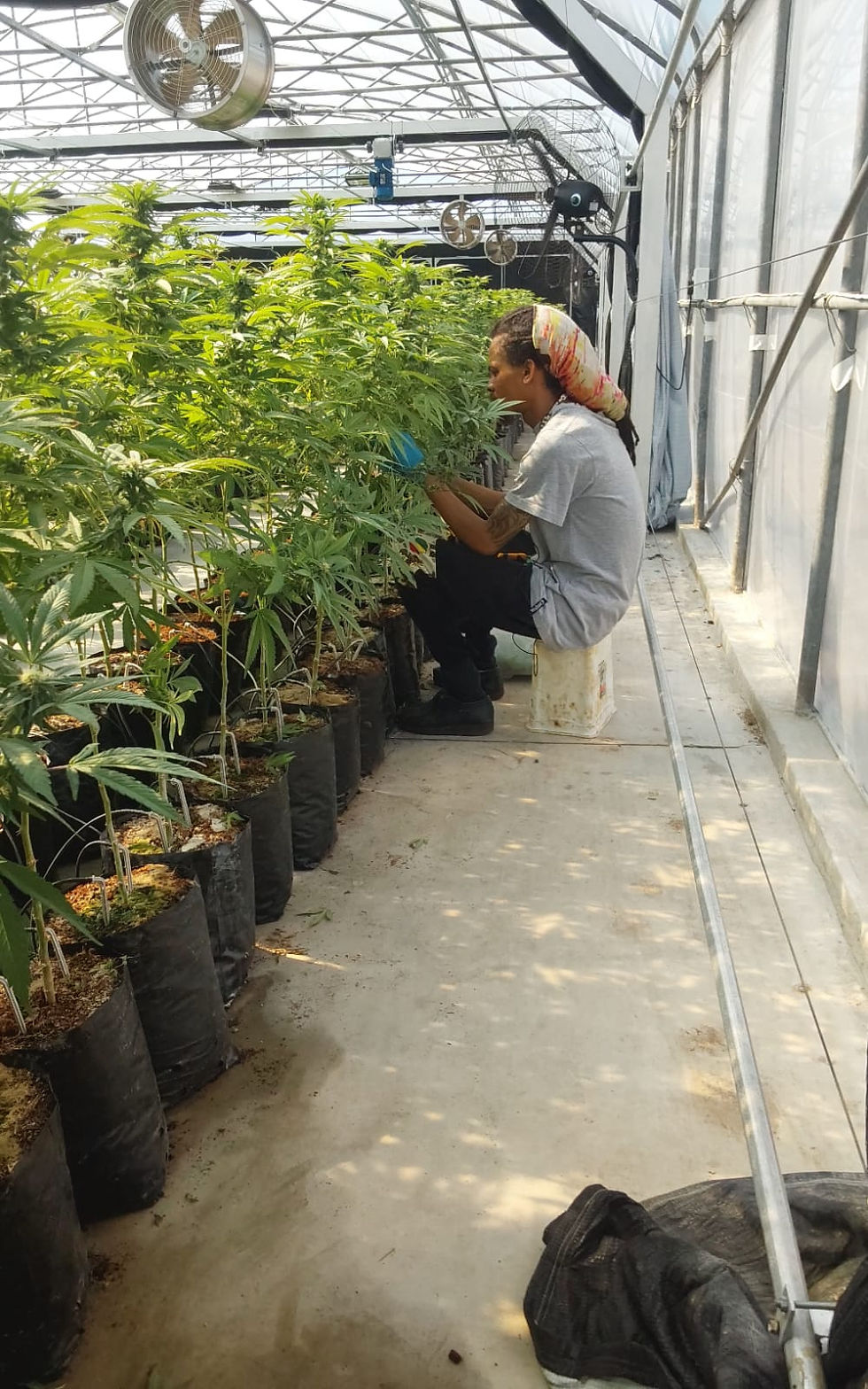
2. Support Small-Scale and Craft Growers
Instead of building barriers, South Africa should:
Lower entry thresholds
Create cooperative models
Enable small growers to participate legally
3. Embrace Cannabis Clubs and Community Models
Private cannabis clubs and collectives offer a powerful alternative:
Community-driven distribution
Local economic empowerment
Reduced corporate influence
This model keeps cannabis rooted in community, not corporations.
4. Avoid Corporate Market Capture Early
Once large corporations dominate:
Policy becomes influenced by profit
Access becomes restricted
Inequality increases
The U.S. is now grappling with this reality.
South Africa still has time to prevent it.
Cannabis Reform: Who Really Benefits?
Cannabis rescheduling in the U.S. is both:
A step forward in recognition
And a warning about the future of the industry
It shows that reform alone is not enough.
The real question is:
👉 Who controls the industry after legalization?👉 Who benefits from cannabis reform?
Final Thoughts: The Future of Cannabis Must Be Community-Driven
If cannabis is to remain:
Accessible
Equitable
True to its roots
Then the industry must be built around people, not profit.
South Africa has a rare opportunity to lead the world by creating a community-focused cannabis economy — one that:
Protects traditional growers
Encourages small businesses
Prevents corporate monopolies
Because in the end:
Cannabis is not just a commodity.It’s a plant with history, culture, and community behind it.


Comments