
The Essential Timing Guide: When is the Ideal Time to Plant Cannabis?


Whether you are growing a few plants for personal use or cultivating a micro-scale garden, timing is one of the single most critical factors determining your harvest weight, terpene profile, and overall plant health.
Planting too early leaves tender seedlings exposed to unexpected cold snaps and short light hours that trigger premature flowering. Planting too late shortens the vegetative phase, resulting in stunted plants with minimal yield potential.
Here is a comprehensive guide to mastering the calendar, reading environmental cues, and timing your grow season for peak success.
Reading Environmental Cues: The 3 Core Triggers
Calendar dates are a good baseline, but microclimates vary. Rather than relying solely on a fixed month, watch for these three primary environmental conditions before moving young plants or germinated seeds into soil outdoors:
Frost-Free Ground: The danger of spring frost must be completely past. Cold soil stops root development in its tracks and encourages root rot (Pythium).
Soil Temperature above 15°C (60°F): Cannabis roots thrive in warm, well-draining media. Cold soil starves plants of critical nutrients like phosphorus.
14+ Hours of Daylight: Photoperiod cannabis varieties monitor daylight duration. If daylight drops below 14 hours, young plants may assume autumn has arrived and begin flowering prematurely (often referred to as "re-vegging" stress when they revert later).
2. Seasonal Calendar Windows by Hemisphere
Because photoperiod cannabis relies on daylight cycles, optimal planting windows invert depending on where you are located globally.
Parameter | Northern Hemisphere | Southern Hemisphere |
Indoor Seed Starting | March – April | September – October |
Outdoor Transplanting | Late April – May | Late October – November |
Vegetative Growth Peak | June – July | December – January |
Flowering Trigger | August | February |
Harvest Window | September – October | March – April |
3. Photoperiod vs. Autoflowering Strains
Your chosen genetics alter your operational timeline significantly:
Photoperiod Strains
Traditional photoperiod varieties require short nights (14–18 hours of light) to build frame and canopy structure during the vegetative stage. They switch to flowering when nights lengthen (closer to 12 hours of uninterrupted darkness).
Best Strategy: Start seeds indoors early to give plants 4 to 6 weeks of controlled growth under vegetative light before moving them into full sun outdoors.
Autoflowering Strains
Autoflowers do not rely on light schedules to enter the bloom phase—their internal clock triggers flowering roughly 3 to 4 weeks after germination regardless of daylight hours.
Best Strategy: Because their lifecycle finishes in 8 to 11 weeks total, you aren't tied strictly to spring start dates. In mild climates, you can run multiple successive harvests throughout spring, summer, and early autumn.
4. Outdoor vs. Indoor & Greenhouse Timing
Outdoor Cultivation
Outdoors, the sun dictates your schedule. Aiming for transplanting in mid-spring ensures plants capture the long daylight hours surrounding the summer solstice, giving them maximum solar energy to build sturdy branches before bloom begins.
Greenhouse & Light Deprivation
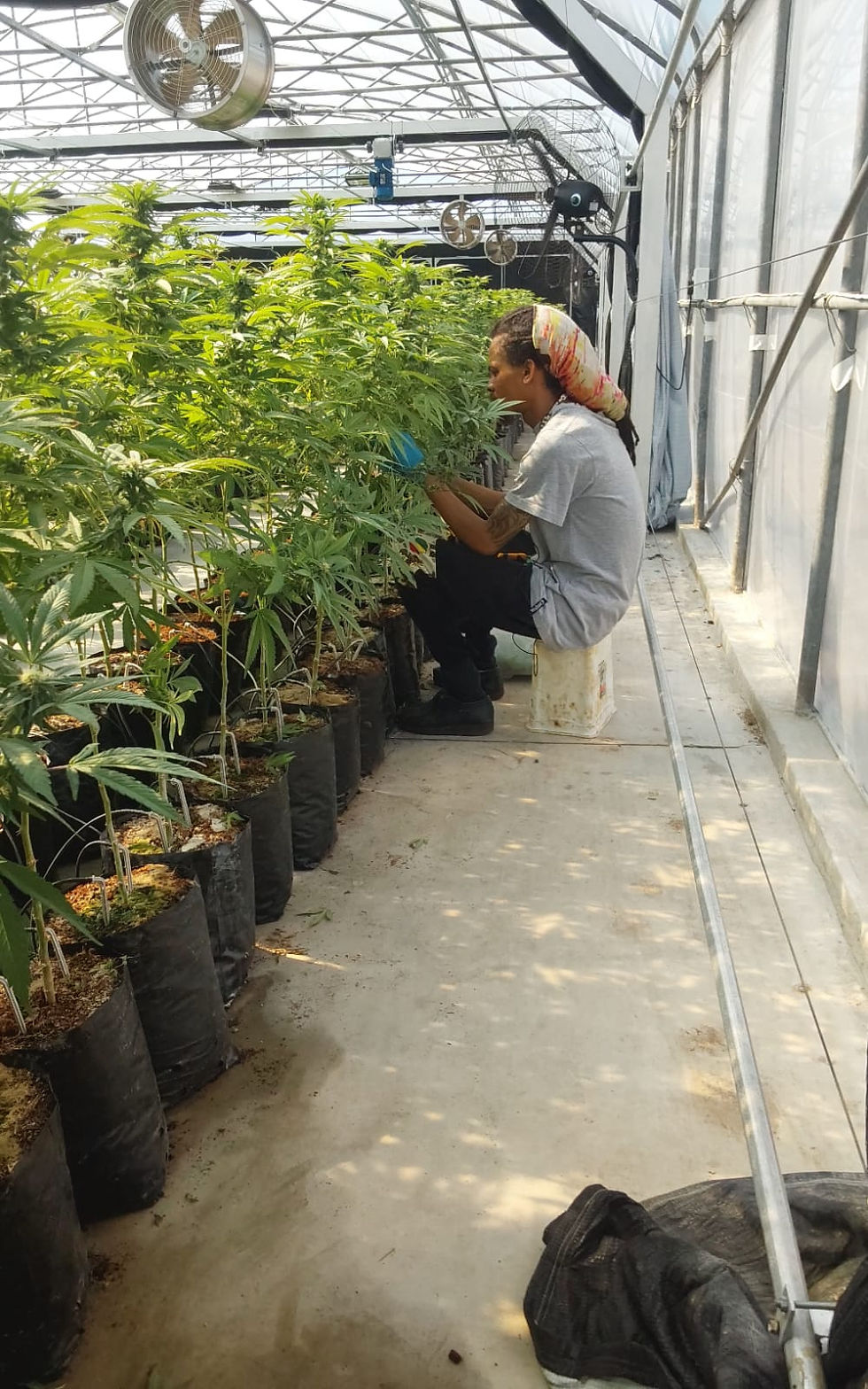
Greenhouses offer a hybrid approach. Unheated structures protect early spring transplants from frost, allowing you to start 2–4 weeks earlier than open-field cultivation. If equipped with light deprivation curtains or supplemental lighting, you control the lighting schedule entirely, making "seasonal timing" irrelevant.
Indoor Cultivation
Indoors under LED or HPS setups, any time is planting season. Environmental control allows you to maintain continuous vegetative state under 18 hours of light and trigger flowering on demand by dropping to a 12/12 schedule.
Success in cannabis cultivation begins long before the first leaves stretch toward the sun... it starts with knowing when to pop that seed. Whether you're aligning outdoor transplants with spring heat and 14-hour light cycles or cycling fast-finishing autoflowers through a greenhouse, respecting environmental cues eliminates stress for both you and your crop. Plan ahead, monitor your local weather patterns, and let nature’s rhythm guide your garden to a bountiful harvest.


Comments